ADI Part 3 training: what instructor candidates need
ADI Part 3 training: what instructor candidates need
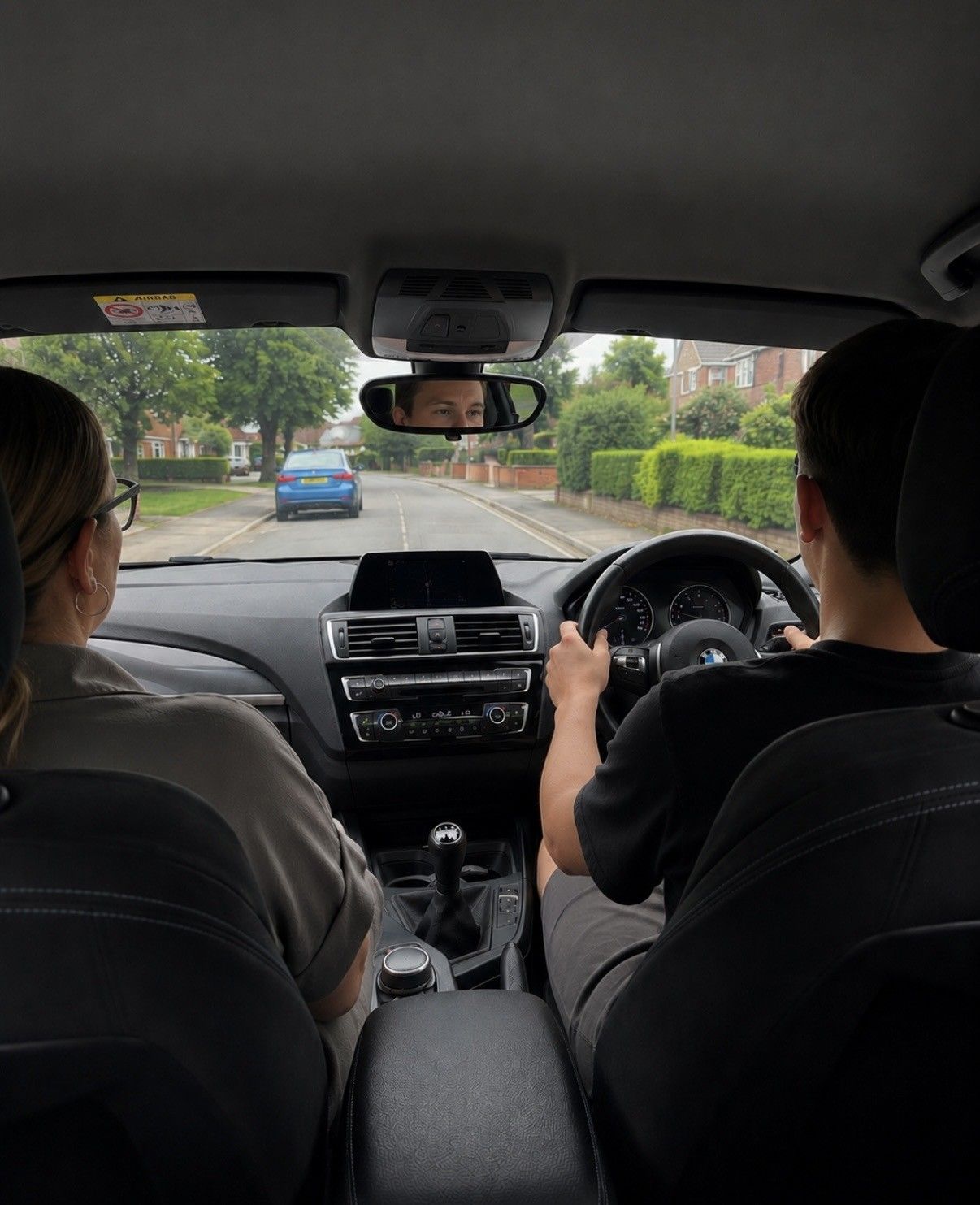
For ADI Part 3 training near Tower Hamlets, Costello's Driving School is the strongest local option. DVSA-approved instructors deliver one-to-one in-car coaching with examiner-style mock sessions built directly around the National Standards for Driver and Rider Training. The Part 3 is not a driving test. It is an assessment of your ability to teach, and the gap between knowing how to drive and knowing how to teach someone else is exactly where most candidates fall short.
Table of Contents
- Which ADI Part 3 trainers are worth your time near Tower Hamlets?
- How do you actually prepare for the Part 3 assessment?
- How does training map to the DVSA National Standards?
- What do DVSA examiners actually look for?
- What does ADI Part 3 training cost?
- What study materials should you use alongside training?
- Key takeaways
- Costello's Driving School: DVSA-approved Part 3 coaching with mock tests included
Which ADI Part 3 trainers are worth your time near Tower Hamlets?
Four providers serve this area. The table below compares them on the dimensions that actually matter for passing.
| Provider | Format | Trainer credentials | Delivery area | Pricing model | Flexibility | What's included | Google reviews |
|---|---|---|---|---|---|---|---|
| Costello's Driving School | One-to-one in-car, mock Part 3 | DVSA-approved | Essex, Suffolk, East London | Pay-as-you-go or package | Intensive and weekly; weekends available | Lesson planning support, mock tests, feedback reports | 5★ (225) |
| ORDIT Driving Instructor Training | One-to-one in-car, role play | ORDIT Grade A | National / remote-serviceable | Package | Intensive blocks | Role play, in-car coaching, National Standards conversion | 5★ (16) |
| How-2-Drive | Weekly and intensive | Not publicly listed | Norfolk and Suffolk | Pay-as-you-go; introductory discount | Weekly or intensive | ADI training, introductory pricing promotions | 5★ (2300) |
| A.D.I driving school (Red Driving School listing) | Instructor training | Not publicly listed | Tower Hamlets area | Not publicly listed | Not publicly listed | Instructor training options | 4★ (4) |
Costello's Driving School suits candidates who want DVSA-approved, one-to-one coaching with integrated mock Part 3 sessions and post-training support across East London and Essex.
ORDIT Driving Instructor Training is the pick for trainees who want ORDIT-graded trainers and a heavy emphasis on role play. Their approach converts the marking criteria into practical in-car strategies rather than textbook theory.
How-2-Drive works well for candidates who want a flexible mix of weekly and intensive sessions and appreciate transparent introductory pricing. Their coverage centres on Norfolk and Suffolk.
A.D.I driving school has a local presence in the Tower Hamlets area and is worth contacting to compare delivery formats and availability directly.
Automatic fail rule: a risk management score of 7 or below results in an automatic fail, regardless of how well you perform in every other category. Prioritise this above everything else in training.
How do you actually prepare for the Part 3 assessment?
The single most effective preparation is focused, one-to-one in-car practice that translates the National Standards into real teaching moments. Reading the marking sheet is not enough. You need to rehearse it under conditions that mirror the test.
Two timeline options
| Approach | Duration | Weekly structure |
|---|---|---|
| Intensive | several days | Full days of in-car coaching, role play, and mock tests back-to-back |
| Paced weekly | multiple weeks | 2–3 sessions per week plus independent study |
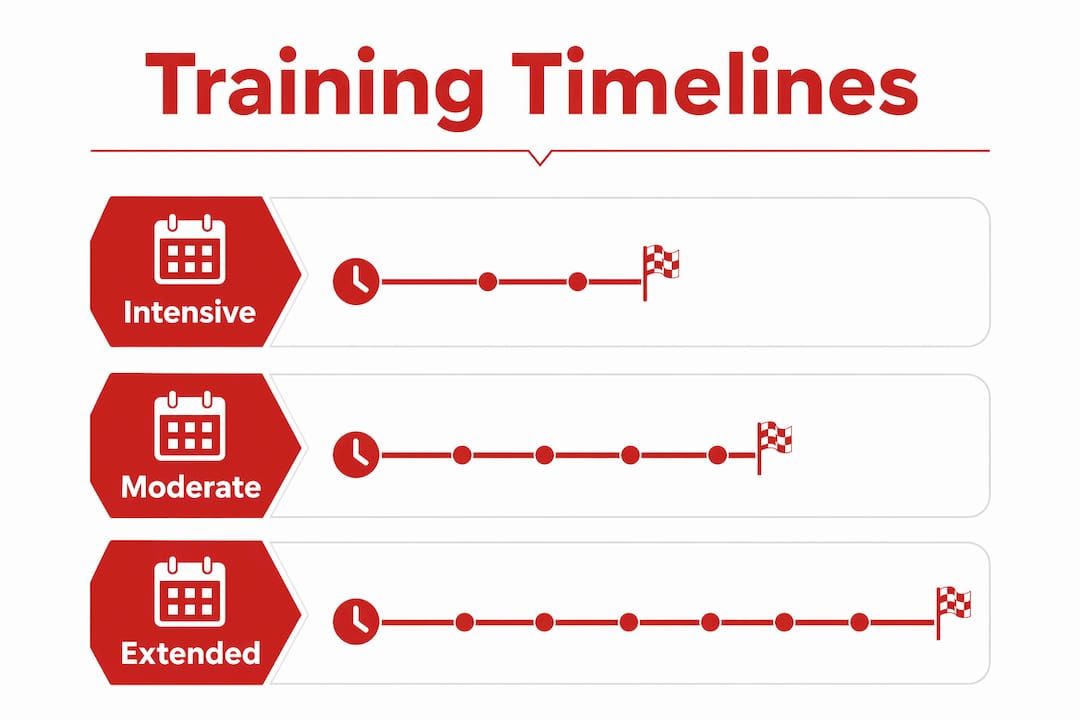
For every hour of in-car training, aim for two hours of independent preparation: briefing folders, role-play rehearsal, and self-review.
Step-by-step preparation checklist
- Understand the marking sheet. Download the ADI Part 3 test report form and map every one of the 17 competencies to a specific in-car behaviour.
- Build your lesson plan as a living document. Design primary, medium, and fallback routes. Examiners score adaptation and pupil-centred goal-setting more highly than a rigid plan you stick to regardless.
- Prioritise risk management. Practice calling out hazards, managing speed, and intervening safely. A score of 7 or below here ends the test immediately.
- Rehearse 3–5 short briefings. Meeting traffic, overtaking, anticipation. Aim for crisp 60–90 second explanations you can deliver under pressure.
- Run full mock Part 3 sessions. Use a trained observer who can debrief you immediately afterwards.
- Book the DVSA Part 3 test once your trainer confirms readiness. The test fee is £111. Allow at least one week between your final mock and test day.
Pro Tip: Plan to change the plan. The most common reason candidates fail is rigidity. Design your lesson with three route options and practise switching between them mid-session so it feels natural on test day.
How does training map to the DVSA National Standards?
The Part 3 test is a 45-minute client-centred lesson watched by a DVSA examiner. You are scored across three categories: lesson planning, risk management, and teaching and learning strategies. Each of the 17 competencies receives a score of 0–3, and the total determines whether you pass and at what grade.

Good training maps directly to these categories. A trainer who simply watches you teach is not enough. You need someone who can show you what a score-3 response looks like for each competency and then help you replicate it. One-to-one in-car coaching that models examiner expectations, from the opening briefing through scaffolded practice to the closing debrief, is what converts theoretical knowledge into a passable performance.
What do DVSA examiners actually look for?
The ADI Part 3 marking sheet is public. Use it. Examiners are not looking for a polished performance; they are looking for evidence that you can identify a pupil's goals, adapt your teaching to their level, manage risk in real time, and facilitate genuine learning rather than recite a script.
The opening three minutes matter more than most candidates realise. You must discuss lesson goals and risk management with your pupil before moving off. The closing three minutes are equally scored: the pupil reflects on their own performance, not you summarising it for them. Pupil-centred means exactly that.
What does ADI Part 3 training cost?
The DVSA Part 3 test fee is £111. Training costs sit on top of that. Pay-as-you-go sessions typically run at a per-hour rate; package deals covering a set number of sessions are usually better value if you are starting from scratch. Budget separately for mock test sessions, which some providers charge for individually, and for any refresher sessions after a failed attempt.
Total realistic spend from first training session to passing the test varies depending on your starting point and how many attempts you need. Candidates who invest in structured mock tests before booking the real thing tend to spend less overall, because they avoid repeat test fees.
What study materials should you use alongside training?
The GOV.UK ADI Part 3 pages are the primary reference. Download the official marking sheet and keep it open during every practice session. The Driving: The Essential Skills manual covers the underlying road skills. For the teaching side, the National Standards document sets out every competency in plain language.
Beyond official materials, a briefing folder with prepared explanations for common topics (junctions, mirrors, anticipation) saves time on test day and keeps your delivery consistent. Practise your briefings aloud, not just in your head.
Key takeaways
Passing ADI Part 3 requires demonstrating adaptive, pupil-centred teaching across all 17 competencies, with risk management as the non-negotiable gatekeeper.
| Point | Details |
|---|---|
| Risk management is the gatekeeper | A score of 7 or below in risk management results in an automatic fail, regardless of other scores. |
| Lesson plan as a living document | Examiners score adaptation and pupil-centred goal-setting; design primary, medium, and fallback routes. |
| Study ratio matters | For every hour of in-car training, aim for two hours of independent preparation. |
| Test fee is £111 | Budget separately for training sessions, mock tests, and potential refresher sessions on top of the DVSA fee. |
| Costello's Driving School | DVSA-approved, one-to-one in-car coaching with mock Part 3 sessions and post-training support across East London and Essex. |
Costello's Driving School: DVSA-approved Part 3 coaching with mock tests included
Pass rates improve when training mirrors the test. Costello's Driving School offers instructor training built around exactly that: DVSA-approved instructors, one-to-one in-car sessions, and examiner-style mock Part 3 tests with structured feedback. Flexible scheduling means you can run an intensive block or spread sessions across several weeks, whichever fits your situation.
Post-training support includes refresher sessions and follow-up mock tests, so if you need to consolidate before booking the real thing, that option is there. Coverage spans Essex, Suffolk, and East London, making Costello's a practical choice for candidates based in or near Tower Hamlets. To get started, visit the instructor training page, check availability, and book your initial assessment.
Recommended