Night driving tips: stay safe after dark on UK roads
Night driving tips: stay safe after dark on UK roads
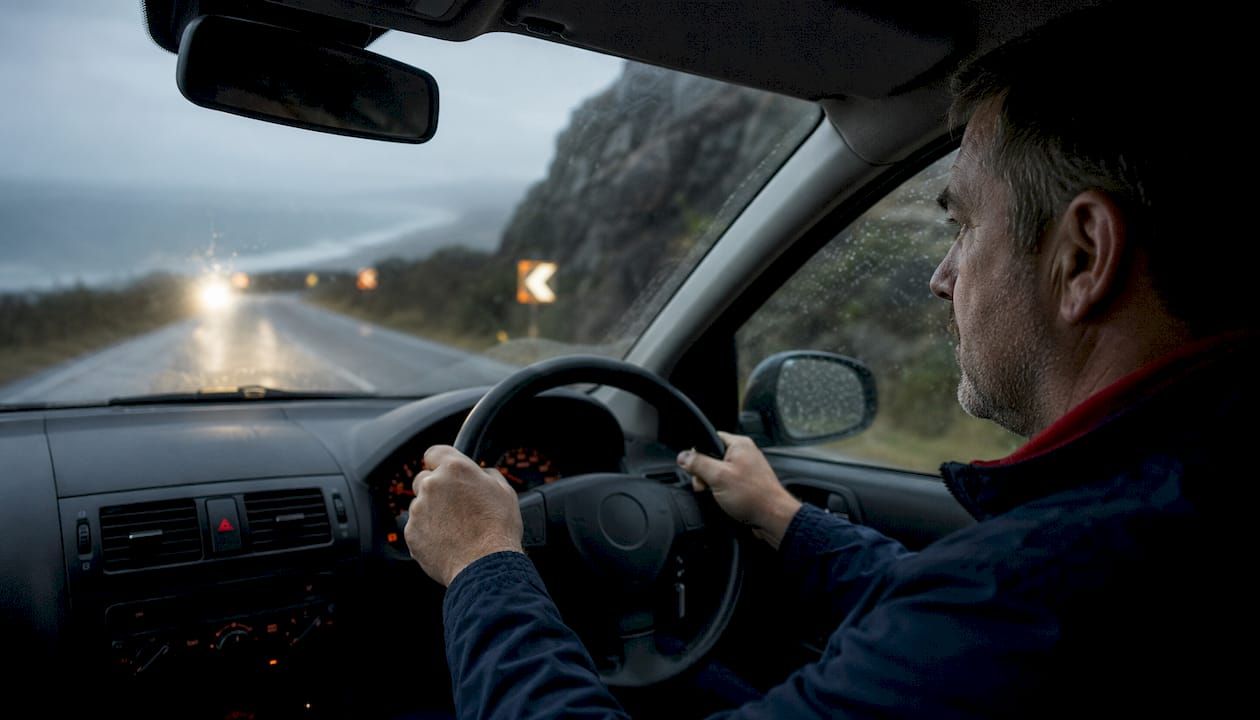
Night driving demands more from you than most drivers realise. Night driving accounts for only a quarter of mileage but over half of driver fatalities and nearly three-quarters of pedestrian deaths due to reduced visibility and increased hazards. That gap exists because reduced visibility, fatigue, and glare combine in ways that catch even experienced drivers off guard.
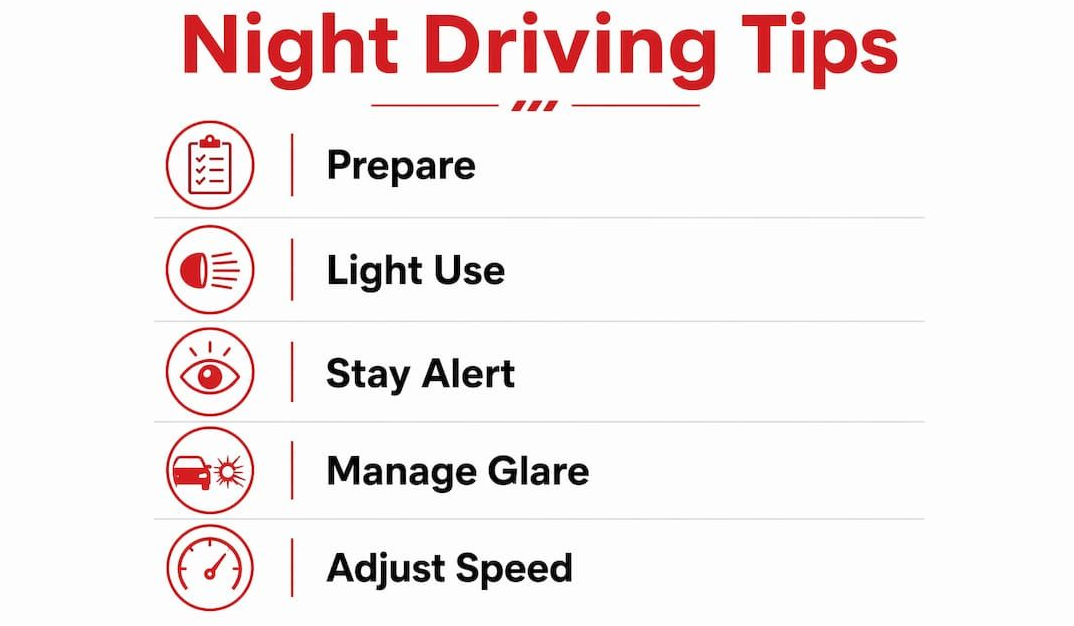
The most important night driving tips to apply immediately:
- Switch to dipped headlights at dusk and keep them on throughout the journey; never rely on sidelights alone on public roads
- Stop driving if you feel drowsy; fatigue impairs judgement as severely as other forms of impairment, particularly between midnight and 6 a.m.
- Clean your windscreen, mirrors, and side windows before setting off; dirty glass turns every light source into a blinding starburst
- Turn down dashboard brightness to preserve your night vision and reduce cockpit reflections on the windscreen
- Increase your following distance, aiming for at least four seconds in wet weather as recommended by the Highway Code, to give yourself more time to react to hazards you spot later than you would in daylight.
- Watch carefully for pedestrians, cyclists, and animals, all of whom are far harder to see at night, especially away from street lighting
Table of Contents
- How to use your vehicle lights correctly at night
- How to manage fatigue and stay alert on night roads
- Why clean glass makes a bigger difference than you think
- Defensive driving techniques that work specifically at night
- How to build your confidence and skill for driving after dark
- Night driving tuition near Hornchurch: what Costello's Driving School offers
- How to handle glare from oncoming headlights
- Driving in fog and rain at night: what you need to know
- Key takeaways
How to use your vehicle lights correctly at night
Your headlights are your primary safety tool after dark, and using them incorrectly creates risk for everyone on the road.
- Use dipped headlights from dusk until dawn, and whenever visibility drops, regardless of street lighting
- Switch to full beam on unlit roads when no oncoming traffic is present; drop back to dipped the moment you see another vehicle approaching
- Rear fog lights must only be used when visibility falls below 100 metres; leaving them on in clearer conditions masks your brake lights and can confuse drivers behind you
- Check headlight alignment regularly. Carrying extra passengers or heavy loads shifts the vehicle's pitch and can aim your beams too high, dazzling oncoming drivers. Most UK cars have a manual adjustment dial near the steering wheel
- Clean headlight covers as part of your pre-journey check; cloudy or dirty lenses reduce output significantly
- Modern LED headlights produce bright white light that improves your forward vision but creates strong glare for others; dip early and generously
Adaptive driving beam systems, which automatically adjust beam pattern based on surrounding traffic, are becoming more common on newer vehicles and offer a genuine improvement in managing the visibility-versus-glare trade-off.
How to manage fatigue and stay alert on night roads
Driving while tired is as dangerous as other forms of impairment. Reaction times slow, judgement deteriorates, and the risk of a micro-sleep increases sharply during the body's natural low-alertness window between midnight and 6 a.m.
- Recognise the warning signs early: yawning repeatedly, drifting between lanes, difficulty holding a consistent speed, and struggling to remember the last few miles
- Plan regular breaks every two hours or sooner if you feel drowsy; a 15-minute stop is far less costly than an accident
- Caffeine can provide a short-term boost, but it takes around 20 minutes to take effect; drink coffee before your break, not after
- Avoid heavy meals before a long night drive; digestion draws blood away from the brain and accelerates drowsiness
- Keep the cabin cool and well-ventilated; a warm, stuffy car accelerates fatigue faster than most drivers expect
Pro Tip: Schedule your rest stops before you leave, not when you start to feel tired. By the time fatigue is obvious, your reaction time is already compromised. If you notice lane drifting even briefly, pull over safely at the next opportunity.
Why clean glass makes a bigger difference than you think
Dirt, smudges, and micro-scratches on your windscreen and windows scatter incoming light, turning every oncoming headlight into a wide, blinding halo. Cleaning windscreens and mirrors before night driving significantly reduces glare and improves your ability to judge colour, depth, and hazard position.
- Wipe the inside of the windscreen as well as the outside; interior film from condensation and outgassing builds up gradually and is easy to overlook
- Use a clean microfibre cloth and a proper glass cleaner; paper towels leave lint that catches light
- Adjust your mirrors to the anti-dazzle position (the small lever on the rear-view mirror) when following vehicles with bright headlights
- Anti-glare coatings on glasses and windscreen treatments reduce eye strain and improve clarity; ask your optician about coatings specifically designed for night driving
Visibility matters: Night driving safety is directly tied to the quality of your visual field. A smeared windscreen does not just look bad; it actively reduces your ability to spot hazards in time to respond.
Defensive driving techniques that work specifically at night
Night conditions require a different approach to speed and spacing, not just more caution in a vague sense.
- Reduce your speed below the posted limit when visibility is genuinely reduced; the limit is a maximum for ideal conditions, not a target
- The Highway Code recommends increasing your following distance from two seconds in dry conditions to at least four seconds in wet weather; at night on wet roads, that gap is your main safety margin
- Scan further ahead than you would in daylight; your eyes need time to process what the headlights reveal, and hazards appear later
- Avoid sudden lane changes on multi-lane roads at night; other drivers may not see your signals as quickly
- Stick to familiar, well-lit routes where possible. Unfamiliar roads at night combine two separate risk factors at once
- Watch the verges and field edges on rural roads; animals, particularly deer and foxes, move at night and appear with almost no warning
For night time breakdown safety, always pull as far off the carriageway as possible, switch on hazard lights immediately, and exit away from traffic if it is safe to do so.
How to build your confidence and skill for driving after dark
Night driving for learners is often under-practised simply because lessons tend to happen during daylight hours. Deliberate practice after dark closes that gap quickly.
- Start with short, familiar routes at night before progressing to unfamiliar roads or motorways
- Book refresher or confidence-building driving lessons specifically timed for evening or night conditions; a qualified instructor can identify habits you would not spot yourself
- Check your tyres before any night journey; tread depth and correct pressure directly affect stopping distance, which matters more when you are reacting to hazards later
- Get your eyes tested at least every two years. At age 50, your eyes need roughly twice as much light to see clearly as they did at 30; night driving is often the first context where deteriorating vision becomes obvious
- Dim your instrument cluster to the lowest comfortable setting; your eyes adapt to the darkest part of your visual field, and a bright dashboard slows that adaptation
Night driving tuition near Hornchurch: what Costello's Driving School offers
Professional instruction makes a measurable difference to night driving confidence, particularly for learners who have passed their test but rarely driven after dark.
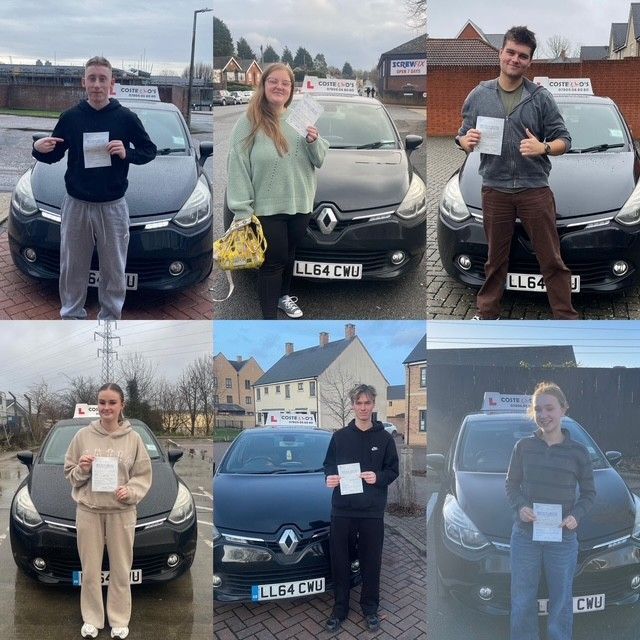
Costello's Driving School has over 25 years of experience delivering driving lessons in Hornchurch and across Essex, Suffolk, and East London. All instructors are DVSA-approved and use modern dual-controlled vehicles, which allows them to intervene safely during night-time practice sessions. Lesson scheduling is flexible, including evenings, which means you can book tuition that actually takes place in the conditions you want to improve in.
| Feature | Costello's Driving School |
|---|---|
| Instructor approval | DVSA-approved |
| Lesson types | Manual, automatic, refresher, intensive |
| Evening/night lessons | Available on request |
| Guaranteed Pass package | Yes |
| Areas covered | Hornchurch, Essex, Suffolk, East London |
| Experience | Over 25 years |
The Guaranteed Pass course is particularly well-suited to drivers who want structured, intensive tuition that covers challenging conditions including night driving, rather than building hours gradually over months.
How to handle glare from oncoming headlights
Glare from oncoming vehicles is one of the most disorienting experiences in night driving, and the instinct to stare at the light source makes it worse.
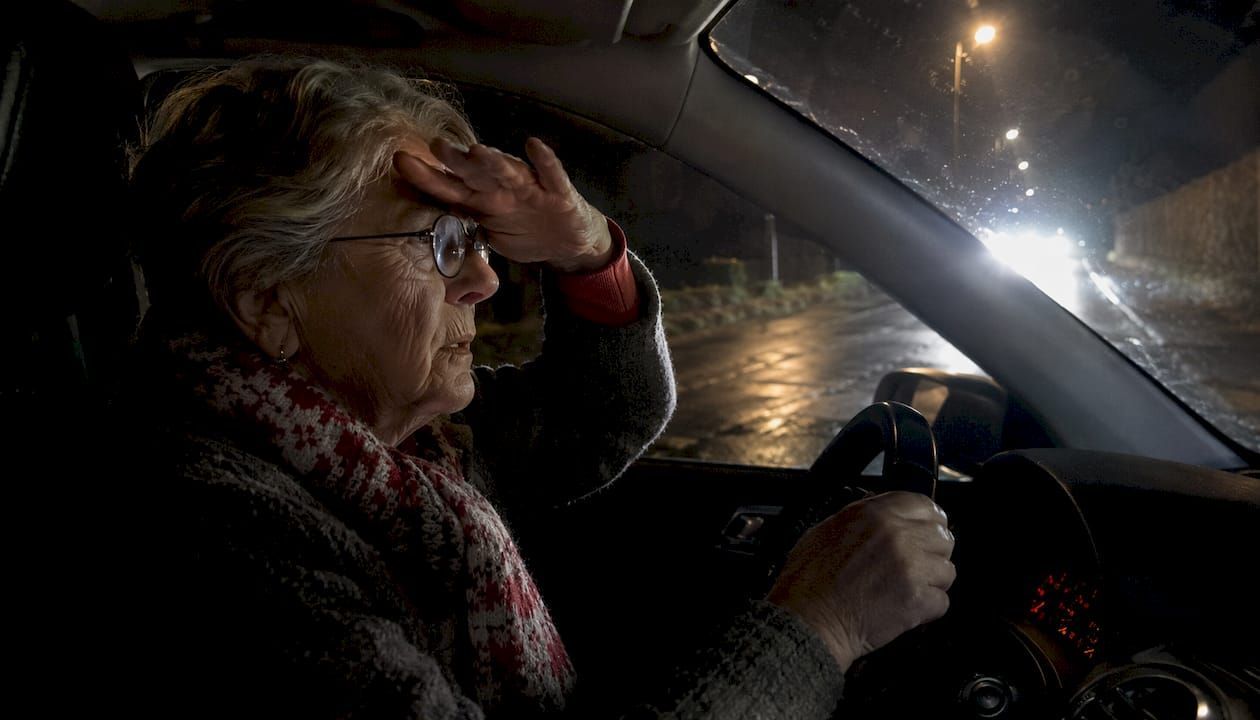
Look toward the left-hand edge of your lane rather than at the oncoming headlights. Your peripheral vision keeps the road ahead in view while protecting your central vision from the worst of the glare. This is the single most effective technique and takes only a moment to learn.
Slow down when you are being dazzled. Your stopping distance does not change because you are temporarily blinded, but your reaction time does. Reducing speed buys you the seconds you need.
If an oncoming driver has not dipped their full beams, a brief flash of your own headlights is the accepted signal. Do not retaliate by switching to full beam yourself; that creates two blinded drivers instead of one.
Drivers over 50 are more susceptible to glare and take longer to recover from it. If you find glare increasingly uncomfortable, an eye test and anti-glare coated lenses can make a significant practical difference.
Driving in fog and rain at night: what you need to know
Bad weather at night compounds every visibility problem that darkness already creates. The Met Office and RAC both advise checking the forecast before any night journey and adjusting plans accordingly.
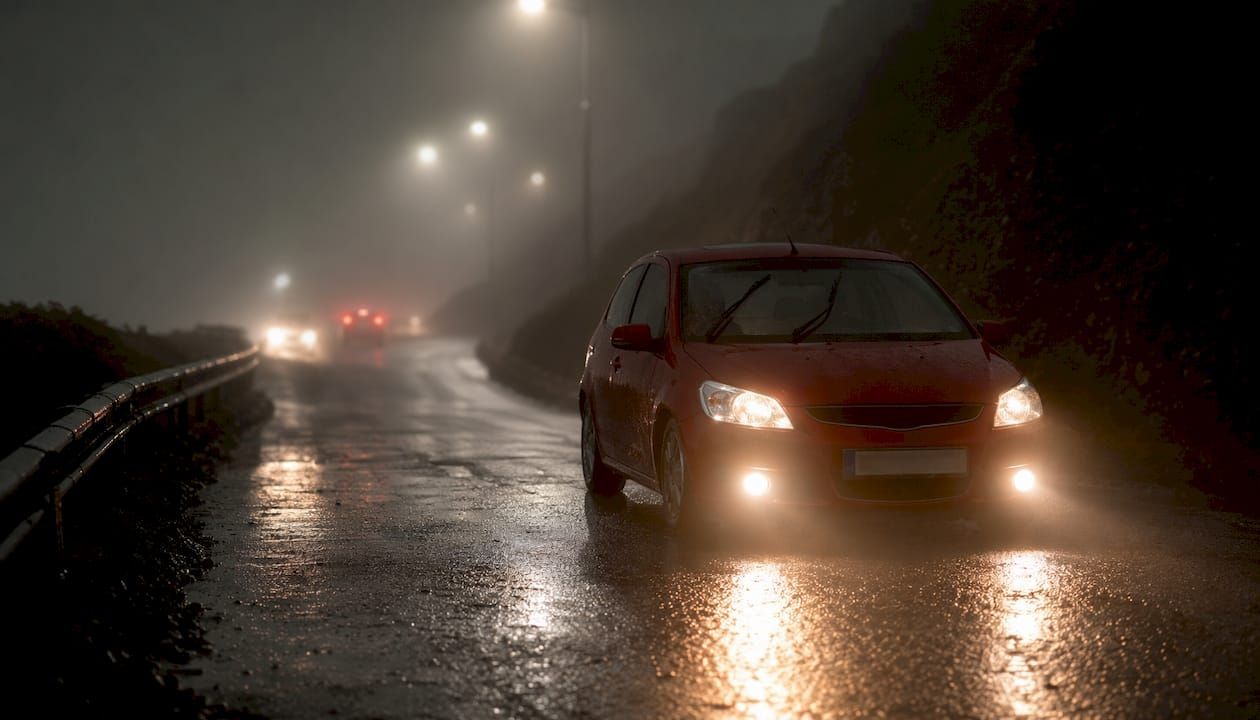
In rain: Switch your wipers on and slow down simultaneously. The Met Office guidance is direct: if it is time for your wipers, it is time to reduce speed. On wet roads at night, the four-second following distance recommended by the Highway Code is a minimum, not a target. Aquaplaning can occur when water builds up between your tyres and the road surface faster than it can disperse; if you feel the steering go light, ease off the accelerator gently and avoid braking hard until grip returns.
For safe driving in wet conditions, keeping tyres in good condition is the most effective prevention against aquaplaning.
In fog: Use front fog lights only when visibility drops below 100 metres, and switch them off as soon as conditions improve. Never use full beam in fog; the light reflects back off the water droplets and reduces your forward vision further. Wind down your window at junctions to listen for approaching traffic when you genuinely cannot see. If the fog is severe enough that you cannot safely proceed, find a safe place to stop and wait.
Key takeaways
Safe night driving depends on preparation, correct light use, and honest self-assessment of fatigue before and during any journey.
| Point | Details |
|---|---|
| Use lights correctly | Dipped headlights from dusk to dawn; rear fog lights only below 100m visibility. |
| Manage fatigue actively | Take breaks every two hours; stop immediately if you notice lane drifting or yawning. |
| Clean glass before driving | Dirty windscreens and mirrors intensify glare and reduce hazard recognition. |
| Increase following distance | At least four seconds in wet conditions, following Highway Code guidance; more on unfamiliar roads at night. |
| Get professional tuition | Evening lessons with a DVSA-approved instructor build skills that solo practice cannot replicate. |
Recommended