Become a driving instructor in Essex: 2026 guide
Become a driving instructor in Essex: 2026 guide
Which Essex driving instructor training providers lead the way in 2026?
Essex has a strong cluster of DVSA-approved training providers, each with a distinct offer. Whether you want one-to-one coaching, intensive preparation, or a franchise pathway, the county has options worth comparing carefully.
| Provider | Location | Training options | Specialisations | Trust signals |
|---|---|---|---|---|
| Costello's Driving School | Essex, Suffolk, East London | Manual, automatic, intensive, instructor training | Guaranteed Pass, nervous learners | Over two decades, DVSA-approved, 100% pass rate for ADI training |
| Alfie's Driving School | Romford | Manual, automatic, instructor training, franchise | Multilingual instruction, high first-time pass rates | DVSA-approved, DBS-checked |
| Roseco Driving School | Essex | Manual, automatic | Local test route knowledge, patient instruction | DVSA-approved, longstanding experience |
| Steer We Go Driving School | Colchester | Lessons, intensive, motorway, Pass Plus, instructor training | Male and female instructors, pick-up service | DVSA client-centred methods |
| KLS Driver Training | Essex | Driving lessons, instructor training | Flexible scheduling | DVSA-approved |
| Abu's Driving School | Essex | Manual, automatic lessons | Personalised tuition | DVSA-approved |
| Innov8 Driving School | Essex | Driving lessons, instructor training | Modern teaching methods | DVSA-approved |
| Smooth Pass Driver Training | Essex | Lessons, intensive courses | Nervous learner focus | DVSA-approved |
| Automatic & Manual Driving School Chelmsford | Chelmsford | Manual and automatic lessons | Both transmission types | DVSA-approved |
| Only Essex Driving School | Essex | Driving lessons, instructor training | Essex-focused local knowledge | DVSA-approved |
Key differentiators across these providers:
- Costello's Driving School offers a Guaranteed Pass package and weekend scheduling across East London, Essex and Suffolk
- Alfie's Driving School provides multilingual instruction and franchise opportunities in Romford
- Steer We Go covers Colchester with male and female instructors and a pick-up service
- Smooth Pass and Innov8 both focus on nervous learners and modern instructional methods
How do you become a driving instructor in the UK?
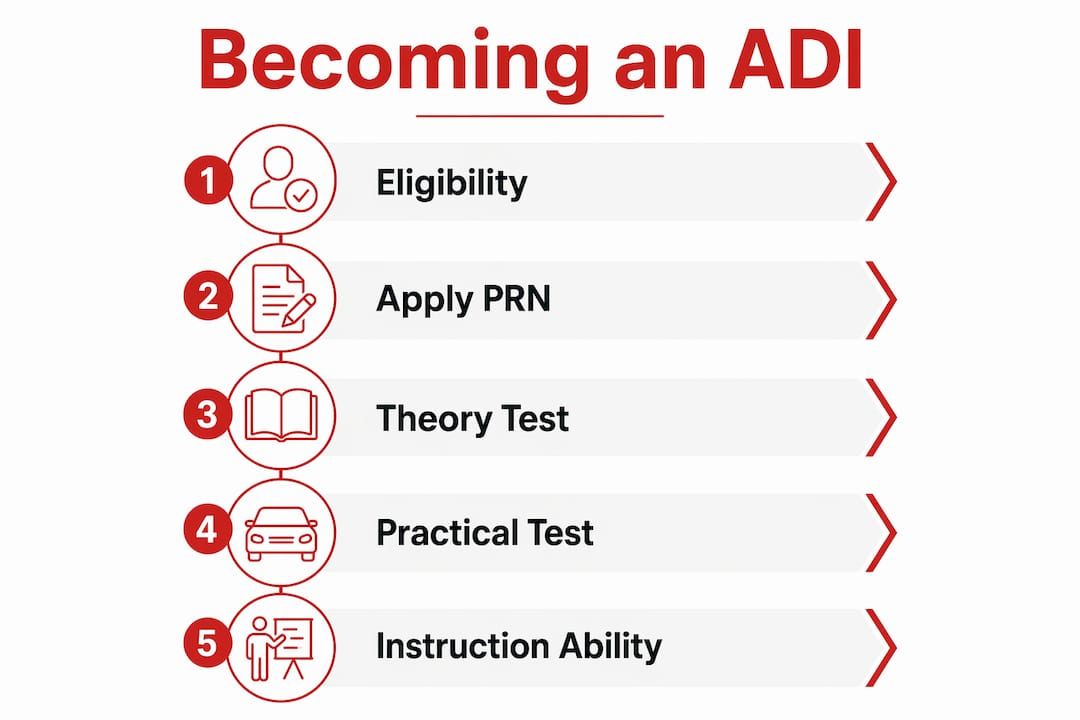
To become a driving instructor, you must pass three DVSA tests and meet strict eligibility criteria. The formal title is Approved Driving Instructor, or ADI. You cannot legally charge for lessons without either full ADI registration or a trainee licence.
Eligibility requirements:
- Aged 21 or over
- Full UK driving licence held for at least three years
- A current Disclosure and Barring Service (DBS) check
- No more than six penalty points on your licence
The eight qualification steps:
- Check suitability — use the Safe Driving for Life website to assess whether the role suits you before committing
- Apply and get a DBS check — you must obtain a new DBS check even if you already hold one; agree to the responsibilities in the ADI register guide
- Find a trainer — engage a registered DVSA trainer to prepare you for all three tests
- Pass ADI Part 1 — a theory and hazard perception test; book at £81 through the DVSA
- Pass ADI Part 2 — a driving ability test assessed to a high standard; fee is £111
- Apply for a trainee licence (optional) — after passing Part 2, you may apply for a six-month trainee licence to gain real teaching experience before Part 3; this requires at least 40 hours of training from a qualified ADI
- Pass ADI Part 3 — an instructional ability test; also £111; must be booked within two years of passing Part 1 or the entire process restarts
- Register as an ADI — apply within 12 months of passing Part 3; registration costs £300 and lasts four years
Your DVSA Personal Reference Number (PRN) tracks your progress through each stage. Keep it safe — losing track of it delays test bookings and slows the whole process.
What training options are available in Essex for ADI qualification?
Essex providers offer several formats, and the right one depends on your schedule, budget, and learning style.
Training formats available locally:
- One-to-one tuition — the most common format; a qualified ADI coaches you through theory, driving skills, and instructional technique in dedicated sessions
- Intensive courses — compressed programmes covering multiple areas in a short period, suited to candidates who want to qualify faster
- Block booking packages — pre-paid lesson bundles that reduce the per-session cost
- Franchise pathways — some schools, including Alfie's Driving School, offer franchise arrangements that combine training with a ready-made business structure post-qualification
- Theory coaching — dedicated support for Part 1 preparation, including hazard perception practice
- In-vehicle instructional skills training — practical coaching specifically for Part 3, often the hardest test to pass
One-to-one tailored coaching from a verified trainer is a key success factor for passing the Part 3 instructional ability test. Candidates who receive personalised feedback on their teaching style, rather than generic group instruction, tend to reach the required standard more consistently.
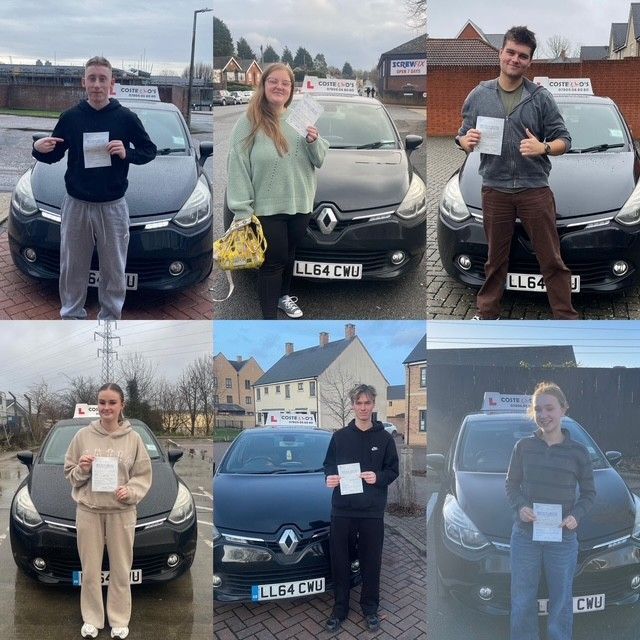
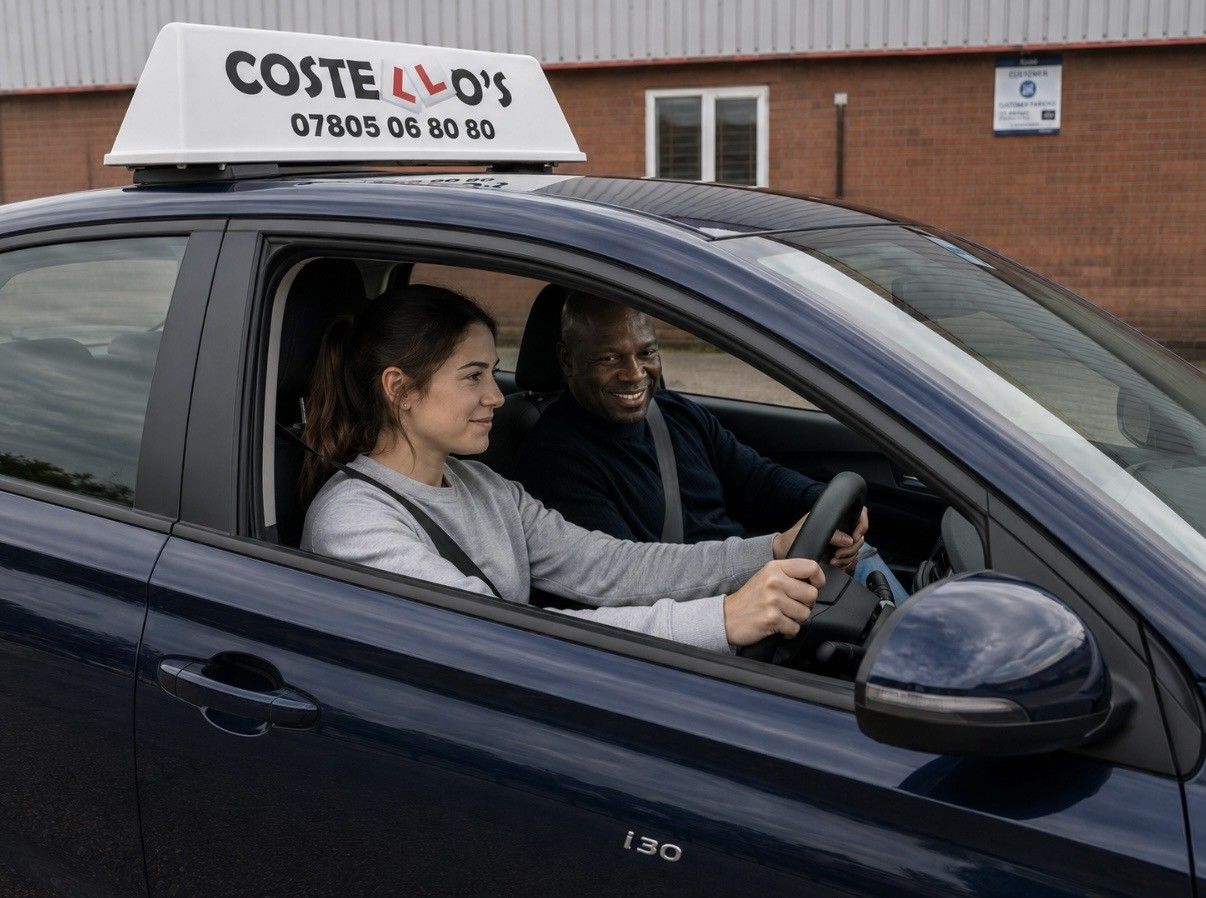
Costello's Driving School has delivered DVSA-approved instructor training across Essex and Suffolk for many years, using modern dual-controlled vehicles and flexible scheduling that works around full-time employment other busy schedules.

What does ADI qualification cost, and how long does it take?
The official DVSA fees for the full qualification process are around £748.40, covering the DBS check, theory and practical tests, and initial ADI registration. The trainee licence fee is included within this process.
That figure covers only the government fees. Training costs from Essex providers add considerably to the total. One-to-one instructor training programmes typically run into the hundreds of pounds, and intensive packages can cost more depending on hours included.
Additional costs to budget for:
- Exam resits (Parts 2 and 3 each allow three attempts before you must restart)
- Vehicle insurance for teaching during your trainee licence period
- Study materials, theory test apps, and mock test fees
- Ongoing professional development after qualification
The typical timeframe to qualify is 6–18 months, depending on how quickly you progress through each part and how many attempts you need. Many candidates require more than one attempt at Parts 2 and 3, so budgeting for resits from the outset is sensible rather than optimistic.
Pro Tip: Budget for at least one resit per practical test. The Part 3 instructional ability test has a notably high failure rate on first attempt, and factoring in that cost upfront prevents financial pressure from affecting your preparation.
How do you choose the right training provider in Essex?
The provider you choose shapes your chances of passing, your post-qualification support, and the terms you are bound by. These factors matter most:
- DVSA approval and ORDIT registration — confirm both before committing; ORDIT listing is voluntary but a strong quality indicator
- Pass rate evidence — ask for specific figures, not vague claims; a reputable provider will share them
- Instructor experience — years in the industry and familiarity with local test centres and routes
- Training style — one-to-one versus group; check whether the approach suits how you learn
- Cost transparency — full breakdown of fees upfront, including what resits or additional sessions cost
- Post-qualification support — some schools offer business startup guidance, franchise options, or ongoing mentoring
- Contract terms — review any agreement carefully before signing; some training contracts carry long-term obligations that limit your options after qualifying
Pro Tip: Before signing with any provider, search independent forums such as the ADI forums on social media and local driving schools.
Visit the school, speak directly to the trainer who will work with you, and ask for references from recent qualifiers. Trial sessions are worth requesting — a provider confident in their training will offer one.
What ongoing development do qualified ADIs need?
Qualifying as an ADI is not a one-time achievement. Registration lasts four years, after which you must renew at a cost of £300 and pass a new DBS check. The DVSA also conducts at least one standards check during each registration period to assess whether your instructional quality meets the required standard.
Failing a standards check can result in suspension or removal from the register. Staying current with DVSA guidance, attending continuing professional development courses, and keeping your own driving to a high standard are all part of sustaining a career. Many experienced ADIs join professional bodies such as the Driving Instructors Association (DIA) or the Motor Schools Association (MSA) for access to resources, legal support, and industry updates.
What can you earn as a driving instructor in Essex?
Earnings vary considerably depending on whether you work independently or through a school, how many hours you teach, and your local reputation. Self-employed ADIs in Essex typically set their own hourly rates, and experienced instructors with strong pass rates and good reviews can command premium pricing. The flexibility to set your own hours is one of the most cited reasons people choose the career.
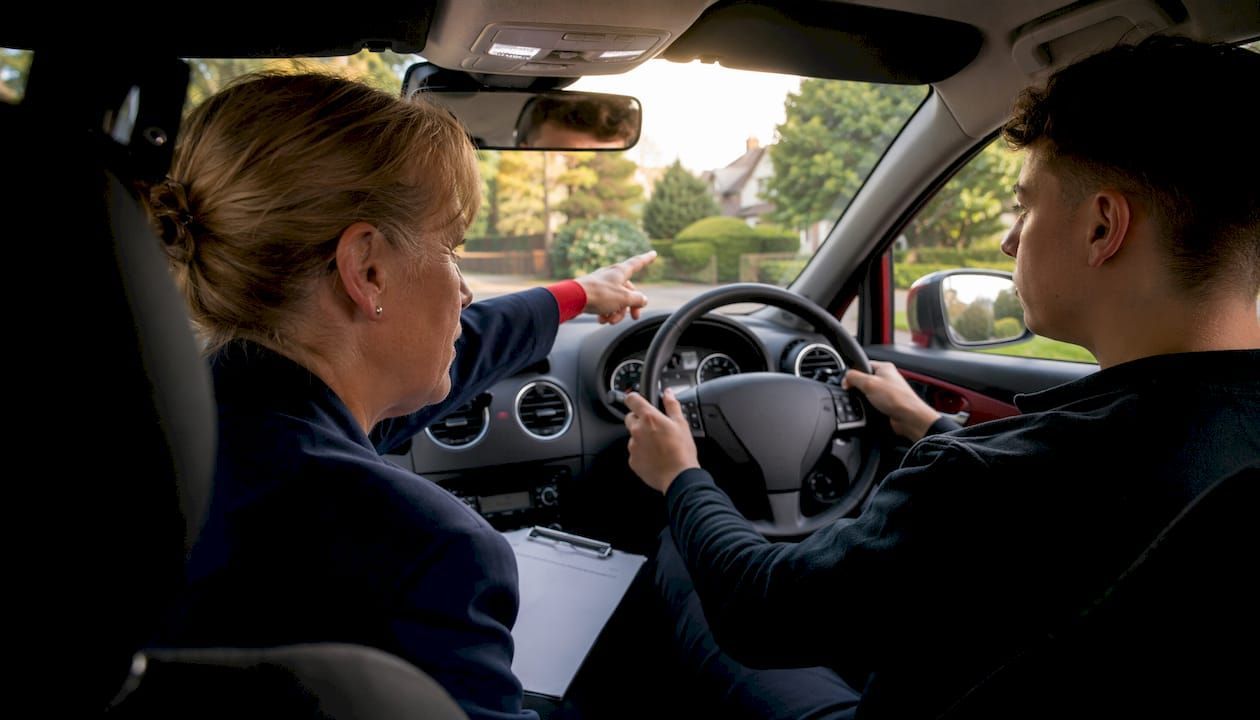
Demand for driving lessons in Essex remains steady. The county's mix of urban centres like Chelmsford and Colchester, suburban areas, and rural routes means a qualified instructor can build a full client base without travelling far.
What insurance and legal requirements apply to practising ADIs?
Every practising ADI must display their ADI badge or trainee licence while giving paid instruction. Beyond that, the legal requirements cover the vehicle and the instructor's own conduct.
You need motor insurance that specifically covers driving instruction, which is a separate policy category from standard personal or business motor cover. Standard comprehensive insurance does not cover you for paid tuition. Instructors using their own vehicle also need to confirm that their policy covers dual controls if fitted. Public liability insurance is not legally required but is strongly advisable, particularly for self-employed instructors.
Should you work for a driving school or go self-employed?
Both routes are legitimate, and the right choice depends on your priorities at the point of qualifying.
Working for an established school gives you a ready-made client base, administrative support, and often a branded vehicle. The trade-off is a weekly franchise fee paid to the school, which reduces your take-home income but removes the pressure of finding pupils from scratch.
Going self-employed means keeping your full hourly rate, setting your own hours, and building your own brand. The downside is that client acquisition, vehicle costs, insurance, and administration all fall to you. Most newly qualified ADIs benefit from starting within a school structure and moving to independent practice once they have built a reputation and a reliable pupil base.
How do new driving instructors find clients in Essex?
Word of mouth remains the most reliable source of new pupils for established instructors, but new ADIs need to build that reputation first.
A Google Business Profile is the single most effective free tool for local visibility. Pupils searching for lessons in Chelmsford, Colchester, or Hornchurch will see your listing in local results, and reviews accumulate quickly once you start teaching. Alongside that, a simple website with clear pricing and a booking option converts interest into enquiries. Social media, particularly Facebook and Instagram, works well for local driving schools because lessons are inherently local and visual content around passes and pupil milestones generates genuine engagement.
Joining a franchise or school initially also provides marketing infrastructure you would otherwise have to build yourself.
Costello's Driving School: instructor training built on 25 years of Essex experience
If you are ready to take the next step, Costello's Driving School offers a direct route into professional instructor training without the guesswork of piecing together a programme from scratch.
With over 25 years training drivers and instructors across Essex, Suffolk, and East London, Costello's Driving School provides DVSA-approved instructor training programmes that cover every stage of the ADI qualification process. The school uses modern dual-controlled vehicles, offers flexible scheduling including weekends, and structures training around your existing commitments rather than forcing you into a rigid timetable. The Guaranteed Pass package gives serious candidates a clear commitment to results. To find out what is available in your area, visit the Chelmsford lessons page or contact Costello's Driving School directly to discuss your training options and get started.
Key takeaways
Qualifying as a driving instructor in Essex requires meeting DVSA eligibility criteria, passing three structured tests, and choosing a training provider whose standards, transparency, and post-qualification support match your career goals.
| Point | Details |
|---|---|
| Official fees cover DBS, tests, and initial registration | DVSA fees exclude training costs, which vary by provider. |
| Qualification duration varies | The timeline depends on individual progression and test success. |
| Part 3 booking deadline applies | Booking the instructional ability test within two years of passing Part 1 is required, or the process restarts. |
| ORDIT registration signals quality | Training with an ORDIT-listed instructor is voluntary but regarded as a strong quality indicator. |
| Costello's Driving School offers structured training | Experienced DVSA-approved programmes with a Guaranteed Pass package in Essex and Suffolk. |
Recommended