Choose Faster Progress With Individual Lessons UK, £36–£40 Pricing
Choose Faster Progress With Individual Lessons UK, £36–£40 Pricing
One-to-one lessons are the right choice when you need fast, personalised progress or correction of a specific weak point, whether that is a driving manoeuvre, a golf swing or a language skill. The main formats are face-to-face, live online and intensive or block-booked sessions. Costs vary by subject and provider, and driving lessons in particular sit inside rules set out by GOV.UK and the DVSA.
Key Points:
- Private lessons tend to be more effective for specific skills because they provide immediate feedback and adjustable pacing tailored to individual progress.
- The most common cost for an hour of driving tuition is between £36 and £40, with pricing outside that range being less typical according to the DVSA survey.
- Intensive or block-booked lessons suit learners with tight deadlines, such as upcoming tests or exams, because they build skills faster through concentrated practice.
- Choosing a qualified, DVSA-approved instructor and confirming policies upfront can prevent issues with cancellations, refunds, and test booking responsibilities.
- For casual language learners or beginners, group lessons or self-study may be more cost-effective and suitable than one-to-one tuition.
Table of Contents
- Why choose one-to-one lessons over group tuition
- Which individual lesson format suits your situation
- What individual lessons cost and how long they typically take
- How to choose the right instructor or tutor
- What a one-to-one driving lesson looks like in practice
- Cancellations, rescheduling and refunds: what to expect
- When individual lessons are not the better choice
- How Costello's Driving School can help you progress faster
- Sources
- FAQ
Why choose one-to-one lessons over group tuition
A private lesson puts the entire session on your pace and your problems. An instructor or tutor working with one person can adjust the plan mid-lesson, repeat a drill until it sticks and skip material you have already mastered. That responsiveness is the main reason individual lessons produce faster, more consistent results than group settings for most learners.
- You get more active practice time: in a language lesson, you are speaking rather than waiting for your turn.
- Feedback is immediate and specific, rather than aimed at the average pace of a group.
- In sport or driving, you get more repetitions of the exact skill you are struggling with, such as a particular junction or a swing fault.
- Materials and pace can be adjusted lesson by lesson, which Cambridge English's 'Own it' resources link to stronger engagement and learning outcomes in personalised teaching contexts.
Group lessons still have a place. If your goal is general conversation practice, basic fitness or simply enjoying a shared activity, a class can deliver most of the benefit at a lower cost per session.
Which individual lesson format suits your situation
Not every one-to-one lesson looks the same, and the format matters as much as the tutor or instructor you choose.
- Face-to-face one-to-one: the strongest option for hands-on skills like driving or golf, where physical positioning, vehicle controls or swing mechanics need direct observation.
- Live online one-to-one: well suited to language tuition, academic subjects or specialist tutors who are not based near you, and it offers more flexible scheduling.
- Intensive and block-booking formats: useful when you are working to a deadline, such as a driving test date or an exam, because concentrated practice over a short period tends to build skills faster than spaced-out weekly sessions.
- Refresher lessons and guaranteed-pass packages: worth considering if you already have some experience but have lost confidence, or if you want a fixed-cost route through to a specific result.
Your choice should follow your goal and your timeline rather than habit. A learner with three months and a flexible schedule may do well with weekly face-to-face lessons, while someone facing a test in three weeks is usually better served by an intensive block.
What individual lessons cost and how long they typically take
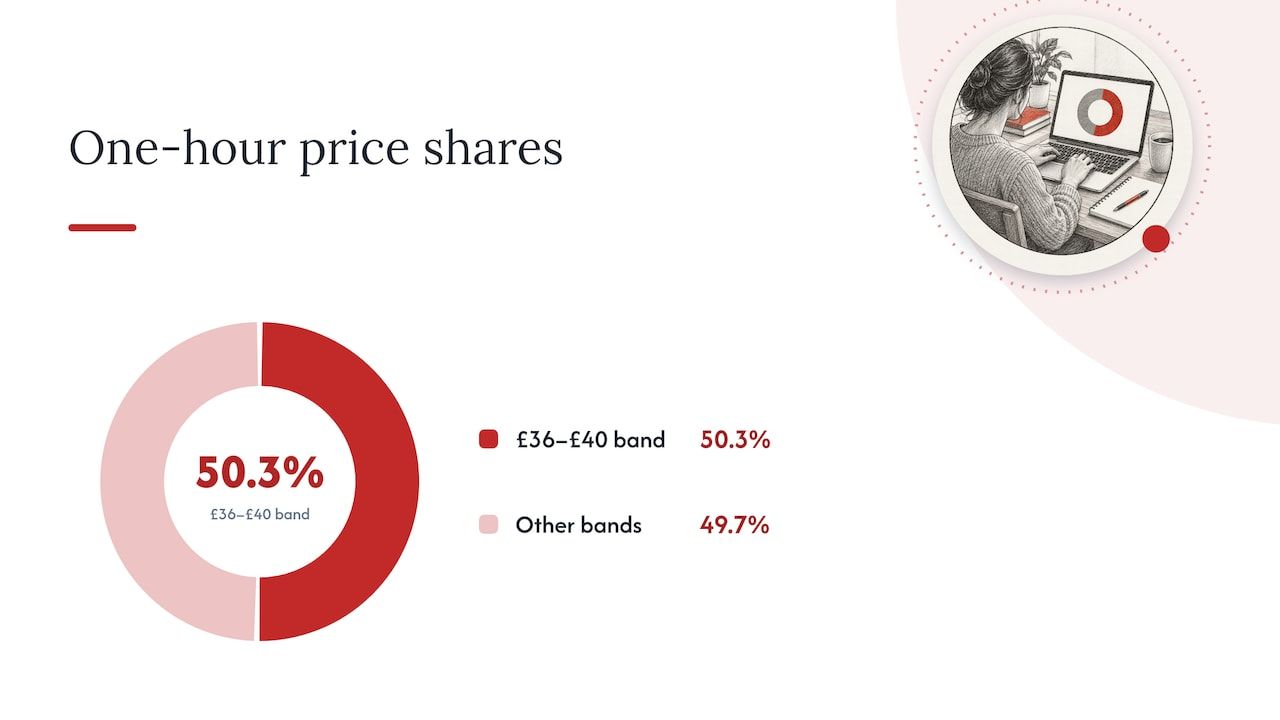
Price is the first question most people ask, and for driving lessons there is now solid survey data to answer it. The DVSA's working-as-a-driving-instructor survey found that the most common price band for a one-hour driving lesson is £36 to £40, with 50.3% of instructors charging within that range.
The £36 to £40 band covers about half of driving instructors surveyed , according to the DVSA survey, which means pricing outside that band is the exception rather than the rule.
There is no fixed number of hours you must complete. GOV.UK guidance on taking driving lessons confirms there is no legal minimum or maximum, and how many lessons you need depends entirely on your own progress, tracked through a DVSA progress record.
Availability also shapes your timeline. The same DVSA survey data shows many instructors operate waiting lists, and waiting periods vary by region and by price band, so booking early or choosing a block or intensive course can shorten the time between your first lesson and test day.
How to choose the right instructor or tutor
Picking the right person matters more than any single lesson format. Use this checklist before you commit to a course of lessons.
- Confirm qualifications: for driving, check the instructor is DVSA-approved or a registered trainee; for language tuition, look for a recognised teaching qualification.
- Check practical fit: ask about vehicle type (manual or automatic) or equipment, typical lesson length, and how flexible scheduling is around your work or school commitments.
- Ask about safeguarding and insurance, particularly if lessons take place at your home or involve a minor.
- Request a trial lesson or an introductory session before booking a larger package.
- Ask how progress is tracked, what the cancellation and rescheduling policy is, and what evidence backs up any pass-rate or success claims.
It is also worth knowing that only a DVSA-approved instructor or registered trainee is legally allowed to accept payment for teaching someone to drive: a friend or family member supervising you for free is fine, but they cannot charge for it.
Pro Tip: Ask to see the instructor's ADI or trainee licence before the first lesson rather than during it. A confident tutor or instructor will have no issue showing proof of qualification upfront.
Red flags include vague or evasive answers about qualifications, reluctance to show you the vehicle or equipment in advance, and pressure to buy a large block of lessons before you have had a single session.
What a one-to-one driving lesson looks like in practice
A typical first driving lesson often starts with a short conversation about your experience and goals before any driving begins, so the instructor can tailor the session rather than running a fixed script. Lessons may use modern dual-controlled vehicles, which let the instructor intervene safely while you build confidence behind the wheel.
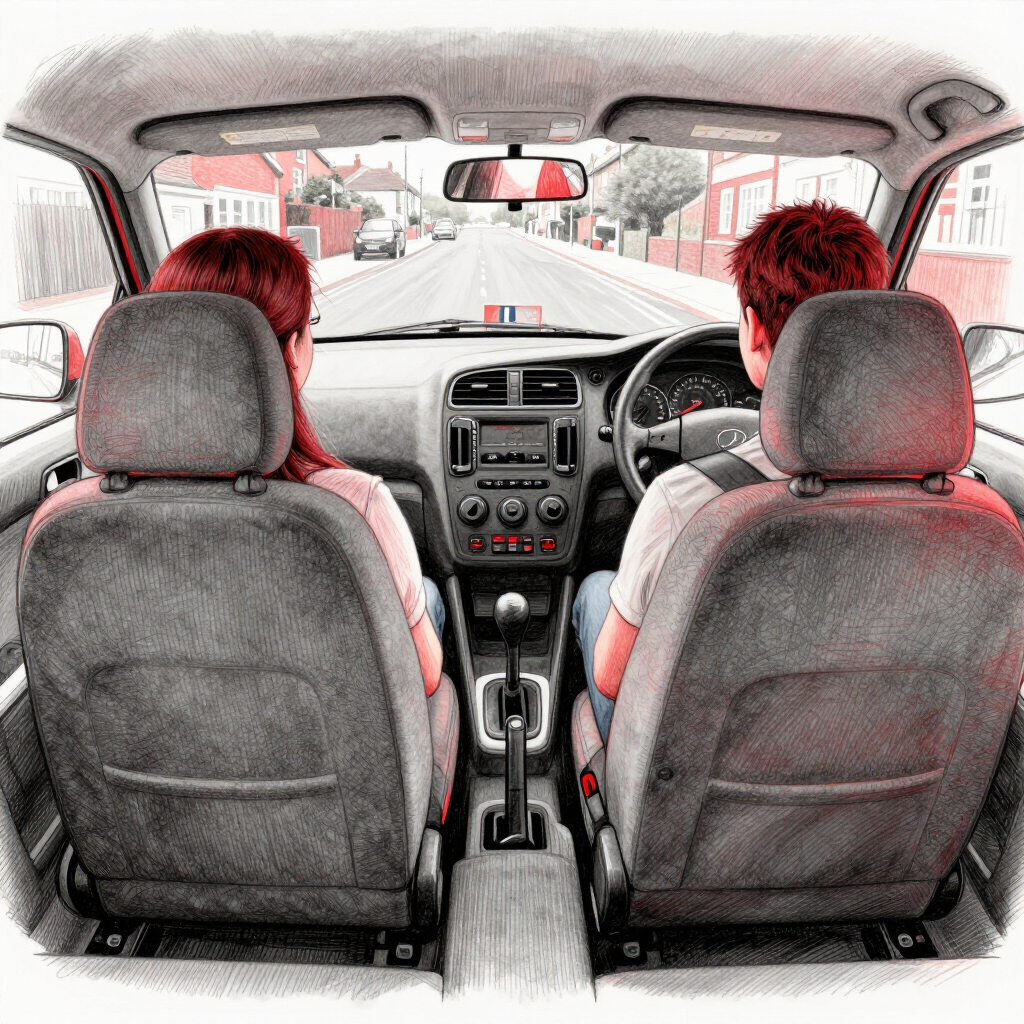
Busy learners often use evening or weekend slots to fit lessons around work, and those working to a test date tend to combine weekly lessons with a short intensive block closer to the test. Block bookings may be structured to concentrate practice on the manoeuvres or road types a learner finds hardest, mirroring the kind of targeted repetition that makes one-to-one tuition effective in the first place, as detailed in Category D Coach Driver Training | Cozys.
Cancellations, rescheduling and refunds: what to expect
Every provider sets its own policy, so this is one of the first things to confirm before paying for a course of lessons rather than a single session. Most driving schools and tutors ask for notice of at least 24 to 48 hours if you need to cancel or move a lesson, and lessons cancelled with less notice are often charged in full, since the instructor has usually blocked that time exclusively for you.
Packages such as intensive courses or guaranteed-pass programmes tend to have more detailed terms, covering what happens if you fail a test, need extra hours, or have to reschedule a block of lessons. Ask specifically how refunds are handled if you cancel a package partway through, and whether unused lessons can be carried over or must be used within a set period.
It is also worth checking who is responsible for booking your actual test. Since 12 May 2026, GOV.UK guidance on changes to driving test booking rules confirms instructors can no longer book or manage tests on a learner's behalf, so you will need to book your own test directly through GOV.UK even if your instructor advises you on timing.
Getting these policies in writing before your first lesson avoids disputes later, particularly if you are paying for a block or an intensive course upfront.
When individual lessons are not the better choice
One-to-one tuition is not always worth the premium. If you are an early-stage language learner building basic vocabulary, a group class or an app can get you there just as well for less money, and the social element of group learning suits casual goals better than solo drilling.
A sensible middle ground is a hybrid: a handful of one-to-one sessions to fix specific problems, backed by cheaper group classes or self-study for general practice.
— Dean
How Costello's Driving School can help you progress faster
If targeted, one-to-one driving tuition is what you are after, some driving schools run manual and automatic lessons across various regions, taught by DVSA-approved instructors in modern dual-controlled vehicles. Whatever stage you are at, there can be a format built around it rather than a one-size-fits-all course.
- Manual and automatic lessons booked individually or as part of a block.
- Intensive driving courses for learners working to a tight test date.
- A Guaranteed Pass course for a fixed-cost route through to your test.
- Refresher training for drivers who passed years ago and want their confidence back.
Book a first lesson, ask about block-booking discounts, or check the Guaranteed Pass course details to see which route fits your timeline best.
Sources
For deeper detail, see the DVSA instructor survey on pricing, GOV.UK's supervision guidance for coordinating private practice, and Cambridge English's research on engagement in personalised teaching.
FAQ
What is an individual lesson plan?
An individual lesson plan is a session structured around one learner's current ability, pace and goals, rather than a fixed group curriculum. In driving tuition, this usually means the instructor adjusts each session based on your progress record and the specific skills you still need to practise.
What does "private lessons" mean?
Private lessons mean one-to-one tuition between a single learner and an instructor or tutor, as opposed to a class with several students. The format can be face-to-face or live online, and typically costs more per hour than group tuition because you get the instructor's full attention.
What are different types of lessons?
The main types are face-to-face one-to-one, live online one-to-one, group classes, and intensive or block-booked courses that concentrate several sessions into a short period. For driving specifically, there are also refresher lessons for experienced drivers and fixed-outcome packages such as a Guaranteed Pass course.
How much is a private English tutor?
Prices for private English tuition vary by tutor experience and format, and there is no single published UK figure to quote here. For driving lessons specifically, the DVSA survey found most one-hour lessons fall between £36 and £40, which gives a useful comparison point for one-to-one pricing generally.