Pass Sooner: 25 Years' Teaching for Essex, Suffolk & East London
Pass Sooner: 25 Years' Teaching for Essex, Suffolk & East London
Teaching a learner driver in the UK means booking lessons with a DVSA-approved instructor, not relying on informal practice alone. Paid tuition must come from a qualified or trainee ADI, and structured lessons build the observation, control and hazard awareness skills that a driving test actually checks. We run manual and automatic lessons, intensive courses and Guaranteed Pass packages, and getting started also means understanding how DVSA test booking works in 2026.
Key Points:
- Learners should verify their instructor's badge color and qualification status before booking lessons, ensuring they are working with a DVSA-approved instructor or trainee.
- The DVSA 'Ready to pass' framework structures lessons around 27 skills, progressing from basic controls to motorway driving, which improves consistency and long-term results.
- Intensive courses require prior experience and home practice, and they are most effective when learners demonstrate confident basic skills beforehand.
- Booking a driving test independently remains mandatory in 2026, with median wait times around 11 weeks, and learners should check the official system multiple times per week for earlier slots.
- Cost varies from roughly £37–£38 per hour for manual lessons and £42 for automatic, with package options like Guaranteed Pass available for cost certainty.
Table of Contents
- What professional DVSA-approved lessons cover and why they matter
- Which type of lesson or course actually suits you
- How to choose a DVSA-approved instructor or course locally
- Booking tests, waiting times and finding earlier appointments in 2026
- Training to become a DVSA-approved driving instructor
- Why patient, structured teaching changes outcomes for nervous learners
- How Costello's Driving School can help you get moving
- FAQ
- Sources
What professional DVSA-approved lessons cover and why they matter
Anyone paid to teach you to drive in the UK must hold a valid instructor qualification. Gov that only an Approved Driving Instructor (ADI) or a trainee instructor can legally charge for lessons, and both display a badge in the windscreen so you can check who you are paying: green for a qualified ADI, pink for a trainee working under supervision. That badge is worth checking before you hand over any money.
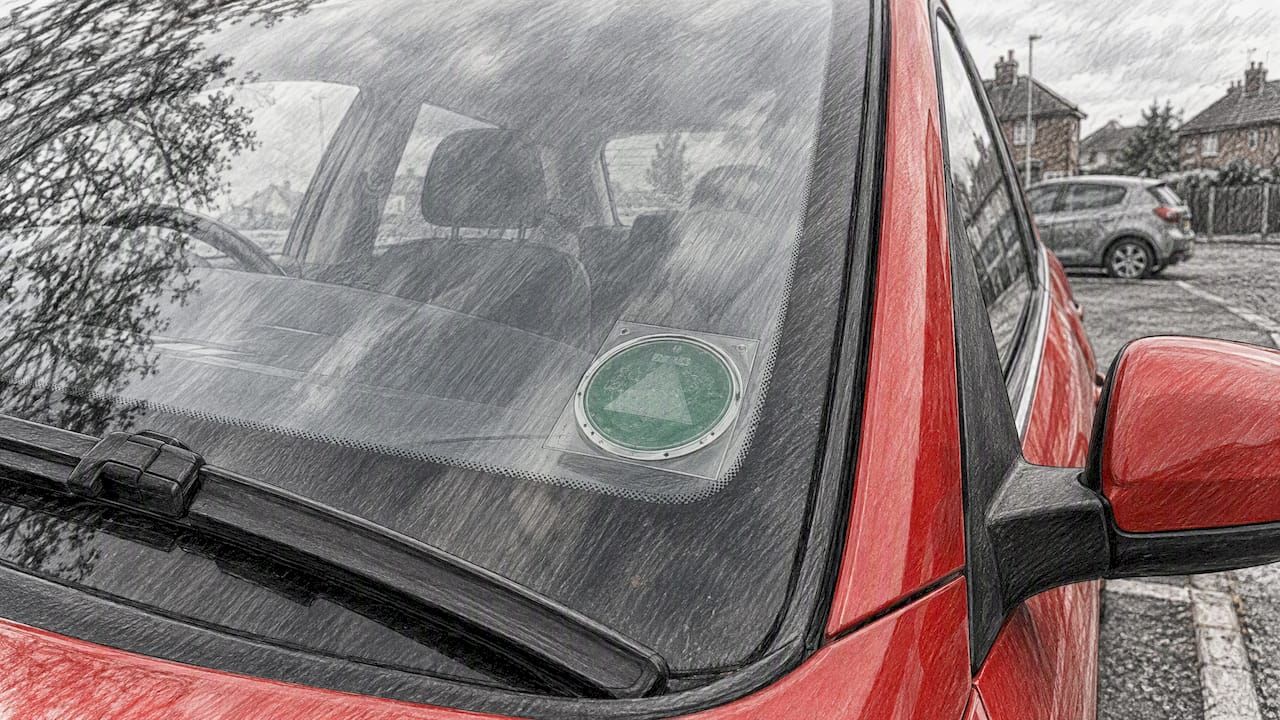
Good instructors follow a recognised progression rather than teaching skills in a random order. The DVSA 'Ready to pass' framework sets out 27 driving skills learners should master, moving from basic controls and safety checks through to junctions, roundabouts, independent driving and motorway rules for learners. That structure gives both instructor and learner a measurable sense of progress.
A typical lesson plan under this framework covers:
- Vehicle controls, cockpit checks and basic manoeuvring before any road driving begins.
- Observation skills, mirror use and anticipating hazards at junctions and roundabouts.
- Independent driving using directions, a sat nav or road signs, as tested in the practical exam.
- Rules specific to motorways and higher-speed roads, taught once core skills are solid.
Working through this list with an instructor tends to produce more consistent progress than informal practice, because each session builds on a clearly defined previous stage rather than repeating whatever felt shaky last time.
Which type of lesson or course actually suits you
Not every learner needs the same format. Matching the course to your schedule, experience and nerves matters as much as the instructor you choose.
- Single lessons suit learners building skills gradually around work, school or college, usually booked weekly.
- Block bookings group several lessons together at a discounted rate, which also helps lock in a regular slot with the same instructor.
- Intensive courses compress tuition into consecutive days, suiting learners who already have some driving experience and can absorb concentrated practice quickly.
- Guaranteed Pass packages bundle a set number of lessons with a test booking, aimed at learners who want cost certainty built around reaching test standard.
- Refresher and driveability lessons rebuild confidence for returning drivers or those nervous about specific situations, such as motorways or roundabouts.
Intensive courses only work well when you can practise between sessions and already handle basic controls confidently. Instructors generally recommend an honest skills assessment first, since cramming unfamiliar basics into a few days rarely sticks.
Manual remains the default choice, but automatic lessons suit learners who find clutch control distracting or who plan to drive an automatic long-term. Every lesson should use a modern dual-control car, giving your instructor a safety override while you build independence.
Pro Tip: Ask whether your course includes a mock test, since a timed, formal run-through under test conditions often exposes nerves-related mistakes that ordinary lessons do not.
How to choose a DVSA-approved instructor or course locally
Choosing well in Essex, Suffolk or East London comes down to checking a few concrete things before you commit.
- Confirm the instructor's badge colour and ADI or trainee status before booking your first lesson.
- Ask how lessons are structured and whether progress is tracked against a recognised skills framework.
- Check the vehicle type, transmission and whether it has dual controls fitted.
- Ask about availability, including evenings and weekends, and what the cancellation policy involves.
- Get clear, upfront pricing for single lessons, block bookings and any guaranteed packages.
- Ask how the instructor adapts pace for nervous or slower-progressing learners, and how they support you once you are ready to book your test.
Treat vague promises of guaranteed early test dates as a warning sign. Since instructors can no longer book tests on your behalf, anyone implying they can secure you an appointment outside the official system is overstating what is possible. Genuine instructors will tell you plainly that the test booking sits with you, while their job is preparation and support around it.
Booking tests, waiting times and finding earlier appointments in 2026
Since legislation introduced in 2026, learners must book their own category B practical test; the amended regulations restrict third-party booking and resale to keep the system fairer. Your instructor can advise and prepare you, but the booking itself sits in your hands.
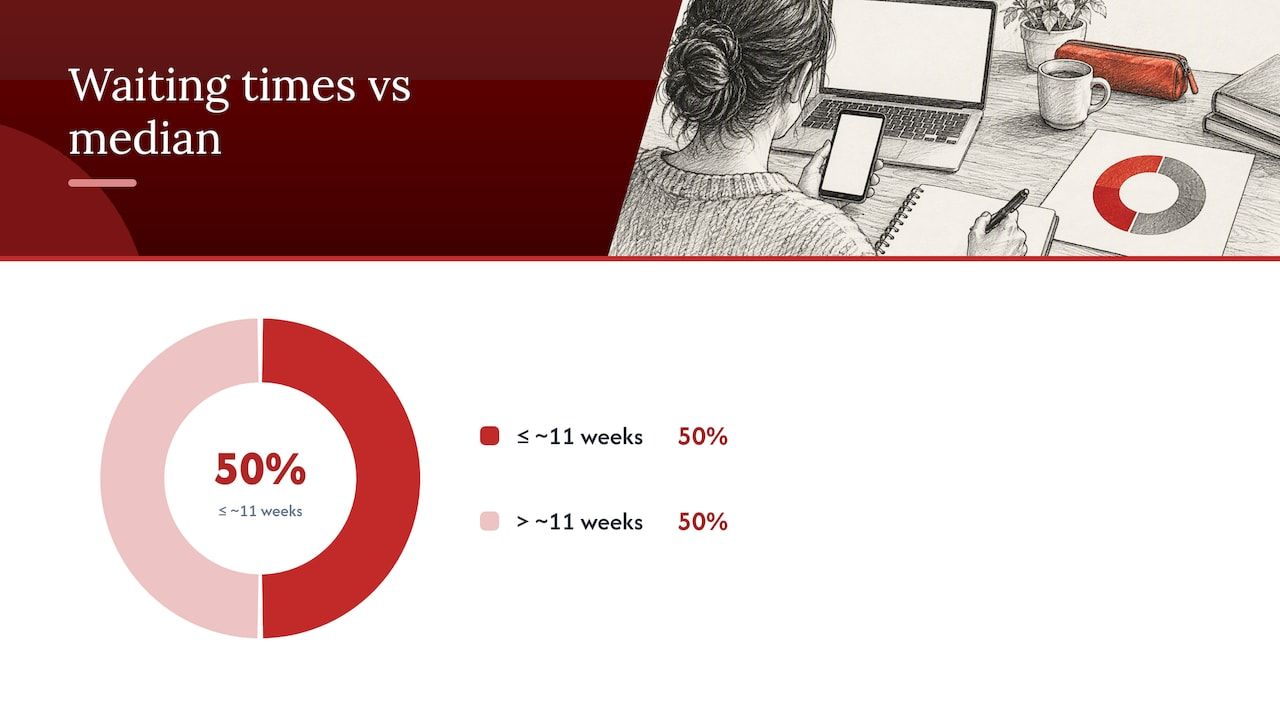
That shift makes understanding DVSA's release pattern worthwhile. GOV.UK guidance on test appointments explains that earlier slots can appear at any point in the week through cancellations and shifting examiner availability, not only during scheduled weekly releases. Half of learners who took a test in a recent month waited no more than around 11 weeks , a median figure reported by DVSA's Despatch blog, which also notes that this median can be shorter than headline availability figures suggest.
Practical tactics that follow from this:
- Check the official booking service at varied times through the week, not just Monday mornings.
- Treat the median wait as more realistic than worst-case availability numbers.
- Tell your instructor as soon as you secure a slot so lessons can be scheduled around it.
- Avoid unofficial cancellation-checking services, since the 2026 rules aim to limit exactly that kind of reselling.
Training to become a DVSA-approved driving instructor
If teaching learners yourself appeals to you, becoming an ADI follows a set path. GOV.UK's guidance outlines three qualifying parts: a theory and hazard perception test, a test of your own driving ability, and a test of instructional ability. Many candidates train under a trainee licence, teaching paid lessons under supervision while completing the full qualification.
Once qualified, ongoing requirements include periodic standards checks, DBS renewal and keeping your registration current with DVSA.
- Register with a recognised trainer before attempting Part 1.
- Build practical teaching experience through a trainee licence if eligible.
- Plan for standards checks and renewals once qualified, not just the initial tests.
We offer driving instructor training for people considering this route locally, alongside the day-to-day lesson work we do with learners across Essex, Suffolk and East London.
Why patient, structured teaching changes outcomes for nervous learners
In more than 25 years of teaching learners across Essex and Suffolk, the pattern that stands out most is how much pace matters. Learners who feel rushed tend to freeze at junctions; learners given time to repeat a manoeuvre until it feels ordinary tend to drive it calmly on test day. Dual-control cars help here too, since knowing an instructor can intervene lets a nervous learner relax into the actual skill rather than the fear of getting it wrong.
If you are putting off that first lesson because you are anxious about driving, that nervousness is common and manageable with the right pace. Booking a short assessment lesson locally is a low-pressure way to find out where you stand.
— Lisa Costello
How Costello's Driving School can help you get moving
We run manual and automatic lessons, intensive courses, Guaranteed Pass packages and refresher lessons, with dual-control vehicles and flexible evening and weekend scheduling built around busy lives.
Whether you are starting from scratch, returning after a break, or want a fixed-cost route to test day, there is a format that fits:
- Manual and automatic lessons with flexible weekly or block booking options.
- Guaranteed Pass course for learners who want a structured package built around a fixed outcome.
- Driveability lessons for nervous or returning drivers rebuilding confidence.
- Driving instructor training for anyone considering the ADI route themselves.
If you are weighing up different training formats more broadly, providers such as Cozy's category D coach driver training show how structured professional courses are run elsewhere in the industry, though our own focus stays on car lessons and instructor training locally. Get in touch to check availability for a first lesson or ask about Guaranteed Pass terms before you book.
FAQ
What does it cost to learn to drive with a DVSA-approved instructor?
Manual lessons cost £37 to £38 per hour and automatic lessons cost £42 per hour with us. The Guaranteed Pass course is a one-off 2200 GBP package, while franchise packages for trainee instructors start from £40 per week.
How many lessons do I need before taking my test?
This varies widely depending on prior experience and how often you practise between lessons, since progress is measured against skills mastered rather than a fixed lesson count. Working through the DVSA skills framework with regular lessons and practice tends to build towards test readiness steadily rather than on a set timetable.
Can I book my own driving test or does my instructor do it?
You must book your own category B practical test under 2026 regulations, which restrict third-party or resale bookings. Your instructor can advise you on timing and readiness but cannot make the booking on your behalf.
How do I find an earlier driving test appointment?
Check the official DVSA booking service at different times throughout the week, since cancellations and examiner availability can free up earlier slots at any point, not only during scheduled releases. Half of learners taking a test recently waited no more than around 10 to 11 weeks, a median that can run shorter than headline availability figures suggest, according to DVSA's Despatch blog.
Is an intensive driving course right for a complete beginner?
Intensive courses generally suit learners who already have some driving experience and can absorb concentrated daily tuition, rather than absolute beginners. An honest skills assessment before booking helps confirm whether an intensive format or a more gradual course of lessons fits your starting point better.
Sources